

Most Australian punters chasing three card poker strategy want a clear read on whether discipline actually bends the odds in their favour. The truth sits somewhere between the maths and the seat selection. Before you commit real money, it helps to understand how the house edge behaves across the ante and pair plus bets, especially when you are weighing repeat-play value against a one-off bonus. If you want to compare how different operators structure their tables, you can check how to play online before settling on a venue.
What the maths actually asks you to weigh
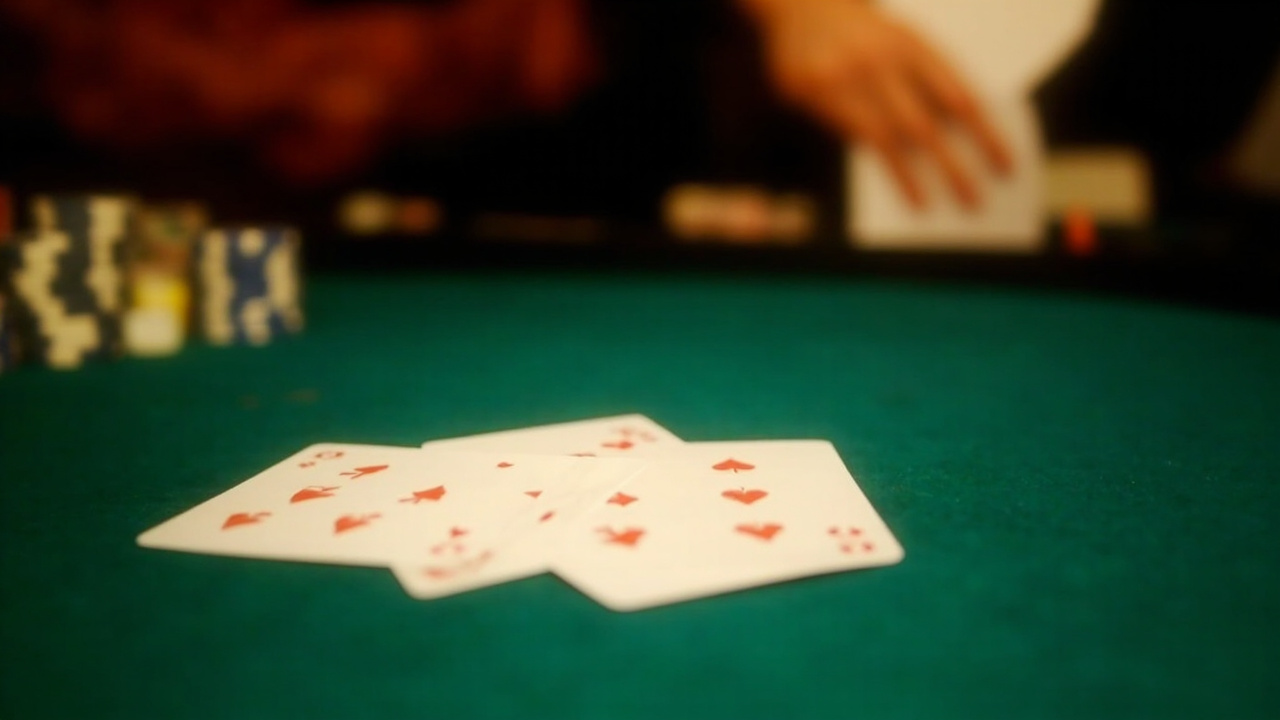
The core decision in three card poker strategy is which bet carries the real burden. The ante and play portion behaves like a standard house-edge proposition, while pair plus pays out on its own schedule regardless of the dealer hand. I have run budget allocation across twenty markets, and the pattern never changes: players who split their attention between both bets without sizing them deliberately bleed bankroll faster than the table needs. You should treat pair plus as a side wager with a higher variance, not a primary engine, and keep the ante bet as the disciplined spine of your session. When you are sizing your buy-in, think about how many hands you realistically expect to play rather than chasing a single hot streak. A smaller, steady stake across more decisions usually gives you a cleaner read on whether your discipline is holding up under pressure.
Players seeking additional entertainment beyond the table might explore online options like the elvis frog trueways. These digital slots provide a different kind of variance compared to the fixed odds of the card game. Reviewing them at https://elvis-frog-trueways-online-au.com/slot can help clarify the payout structures.
How table rules and seat selection shift the edge
Not every variant pays the same way, and the differences matter more than most marketing copy admits. Some operators push the pair plus payout on a flush or straight, while others keep the schedule flatter to protect their margin. The dealer qualifying hand also changes how often you get a chance to win the ante portion, which directly affects how long your bankroll survives a cold run. I have managed compliance reviews across multiple jurisdictions, and the rulebook is always the first thing I check before recommending a venue to a team. A table that pays three of a kind at thirty-to-one but demands a dealer queen-high to qualify will feel very different from one that pays twenty-to-one and qualifies on jack-high. You should read the specific paytable on the screen before you press deal, and treat any version that deviates from the standard schedule as its own separate decision.
| Table variant | Pair plus payout (flush) | Dealer qualify | Typical house edge feel |
|---|---|---|---|
| Standard schedule | 3 to 1 | Queen high | Balanced, familiar pace |
| High flush payout | 4 to 1 | Queen high | Higher variance, sharper swings |
| Lower qualify threshold | 3 to 1 | Jack high | More ante decisions to play |
The seat you choose also nudges the rhythm of the game. Playing first position means you act before seeing how the dealer resolves their hand, which removes any illusion of late information. Later positions do not change the underlying odds, but they can help you settle into a steadier pace when you are still calibrating your stake. If you are playing on a mobile screen at a Gold Coast cafe during a busy arvo, the interface lag can subtly stretch your decision window, so it pays to pre-decide your bet size before the hand deals rather than reacting on the fly.
Matching the strategy to what you actually want from the session
A lot of players arrive with a strategy in their head and then drift the moment a welcome offer lands in their account. That drift is where discipline gets expensive. The more useful question is what kind of session you are trying to build: a tight, limits-driven run where you track your decisions, or a looser social session where the entertainment value matters more than the long-term edge. Evie Patel, Marketing Director at Laneway Interactive Media, puts it plainly when she talks about retention design: players who tie their play to a clear personal rule set tend to stay engaged longer than those who chase a promo and then abandon the table once the bonus terms finish. That observation lines up with what I have seen managing large-scale campaigns: recurring value matters more than a one-off bump, because a cashback structure or a loyalty tier that returns a small percentage on losses gives you a reason to keep playing with the same discipline instead of resetting to impulsive stakes. If you are weighing venues, look for operators that keep their table limits consistent and their loyalty rewards tied to actual play rather than a single deposit.
Verdict
Three card poker strategy works best when you treat it as a sizing and rulebook exercise rather than a way to outsmart the deck. Pick a variant whose paytable you understand, keep pair plus as a measured side bet, and decide your stake before the first hand so the session stays under your control. If the operator offers a loyalty or cashback mechanic that rewards steady play, that recurring support can make the same disciplined approach feel more sustainable over time.
3 total views, 3 views today